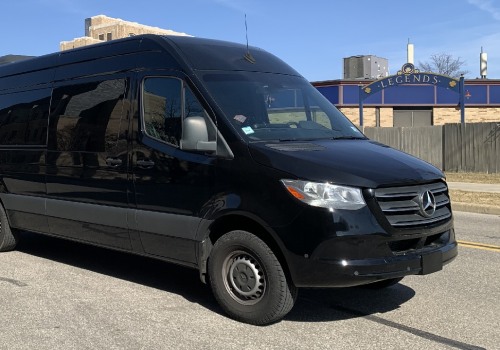
Home construction is often imagined as a tightly choreographed operation centered on blueprints, materials, and skilled labor, but one of its quiet enablers is transportation. On active job sites, especially those spread across multiple developments, subcontractor mobility can determine whether a project stays on schedule or slips behind. Electricians, plumbers, inspectors, and finish specialists frequently move between sites in a single day, sometimes on short notice. While company trucks and personal vehicles play a role, many home builders discreetly rely on taxi services to bridge gaps in logistics, ensuring that the right expertise arrives at the right place at the right time without delays caused by parking constraints, vehicle shortages, or unexpected schedule changes.
Solving the Last-Mile Problem on Job Sites
Taxi services help builders solve what is essentially a last-mile problem. Subcontractors may fly in from out of town, arrive by train, or park at a central lot where site access is limited. From there, taxis provide fast, flexible transport directly to job sites that may be located in dense neighborhoods or gated communities. This approach reduces congestion around builds, keeps unauthorized vehicles off sensitive areas, and minimizes disruptions to nearby residents. For builders managing several projects simultaneously, the ability to move specialized labor quickly between locations can mean the difference between hitting a critical inspection window and waiting days for rescheduling.
Time Efficiency and Cost Control
From a cost perspective, taxis can be more efficient than maintaining a fleet of vehicles for intermittent use. Builders avoid expenses related to fuel cards, insurance, maintenance, and idle vehicles while still guaranteeing mobility. Time efficiency is just as important. A subcontractor stuck waiting for a ride or navigating unfamiliar roads can slow an entire workflow. Taxi services, familiar with local routes and traffic patterns, help reduce travel uncertainty. This is particularly relevant in high-end markets where timelines are tight and expectations are high, such as those served by luxury home builders in Westport, CT, where precision scheduling and discretion are part of the brand promise.
Supporting Specialized and Short-Term Labor
Modern home construction increasingly relies on highly specialized subcontractors who may only be needed for a few hours or a single phase of a build. Flying in a stone installer, automation expert, or custom millworker for a brief window makes little sense if transportation becomes a bottleneck. Taxi services provide a simple solution, allowing builders to scale mobility up or down based on immediate needs. This flexibility supports just-in-time labor strategies, reduces downtime, and allows builders to access top-tier talent without long-term logistical commitments.
Discretion, Professionalism, and Client Experience
There is also a softer, but equally important, benefit: professionalism. High-end residential clients value privacy and minimal disruption. A steady stream of branded trucks or unfamiliar vehicles can detract from the experience. Taxis offer a neutral, discreet option that blends into everyday traffic. For clients who visit sites during construction, seeing a well-organized operation where subcontractors arrive smoothly and on time reinforces confidence in the builder’s management. It signals that every detail, even transportation, has been thoughtfully considered.
An Invisible Advantage in Construction Logistics
Ultimately, taxi services represent an invisible advantage in the home building ecosystem. They enable flexibility, reduce friction, and support the complex human choreography behind every finished home. While rarely discussed in glossy brochures or marketing materials, this quiet reliance on on-demand transportation helps builders keep projects moving, subcontractors productive, and clients satisfied—proving that in construction, success often depends on the systems no one notices.