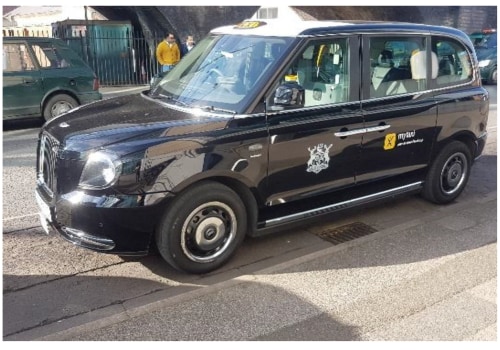
In an era dominated by delivery apps and on-demand platforms, it may seem surprising that many flower shops still rely on traditional taxi services for specific types of deliveries. Yet behind the scenes, florists often make deliberate choices about how their arrangements reach customers. Flowers are fragile, time-sensitive, and deeply emotional products, and not every delivery method aligns with those needs. While apps excel at speed and scale, taxi services offer a level of control and reliability that becomes crucial for certain orders, particularly those involving customization, urgency, or special handling.
Handling Delicate and High-Value Arrangements
One of the primary reasons flower shops favor taxis is the delicate nature of floral arrangements. Unlike boxed food or packaged goods, bouquets can shift, spill, or bruise easily if handled roughly or placed improperly. Taxi drivers are more likely to follow direct instructions, keep arrangements upright, and avoid stacking items on top of them. For high-value orders such as wedding florals, sympathy arrangements, or large custom pieces, this careful handling reduces the risk of damage and costly remakes. Flower shops know exactly who is transporting the product and can communicate specific requirements in real time.
Reliability During Time-Sensitive Deliveries
Timing is everything in the floral business. Missed delivery windows can undermine the purpose of an order entirely, especially for funerals, hospital visits, or surprise occasions. App-based drivers often juggle multiple orders and algorithm-driven routes, which can introduce unpredictability. Taxi services, on the other hand, can be dispatched for a single, dedicated trip. This direct approach allows florists to prioritize critical deliveries without worrying about rerouting or delays. For shops serving loyal local customers, such reliability helps preserve trust and reputation, whether the delivery is coming from a neighborhood florist or a flower shop in West Haven, CT known for personal service.
Communication and Accountability Advantages
Another key factor is communication. With taxi services, flower shop staff can speak directly to dispatchers or drivers, clarifying addresses, delivery instructions, or last-minute changes. This human layer of coordination is often missing in app-based systems, where support is automated and response times can be slow. If an issue arises—such as a recipient not being home or access restrictions at a building—taxi drivers can call the shop immediately to resolve it. This accountability reduces failed deliveries and ensures flowers are not left unattended or returned unnecessarily.
Flexibility for Non-Standard Orders
Flower shops frequently deal with non-standard deliveries that fall outside the typical scope of apps. Oversized arrangements, multiple drop-offs, or deliveries that require waiting for the recipient may not fit neatly into app workflows. Taxi services are more adaptable to these scenarios, allowing florists to customize the delivery experience. This flexibility is especially valuable during peak seasons like Valentine’s Day or Mother’s Day, when volume is high and mistakes are costly. Taxis can also accommodate sudden surges in demand without the dynamic pricing spikes often associated with apps.
Cost Predictability and Local Relationships
While apps advertise convenience, their pricing can fluctuate based on demand, distance, and timing. Taxi services often offer more predictable rates, which helps flower shops manage delivery costs more effectively. Over time, many florists build relationships with local taxi companies, creating mutual trust and understanding. These partnerships can lead to prioritized service, familiarity with delivery routes, and a shared commitment to customer satisfaction that transactional app interactions rarely achieve.
Choosing the Right Tool for the Moment
Ultimately, flower shops are not rejecting technology; they are choosing the right tool for each situation. Delivery apps may work well for routine, low-risk orders, but when precision, care, and communication matter most, taxi services provide a dependable alternative. By balancing modern convenience with traditional reliability, flower shops ensure that their arrangements arrive not just on time, but in perfect condition—ready to convey the sentiment they were designed to express.